
Insights
Fourth Quarter | 2025
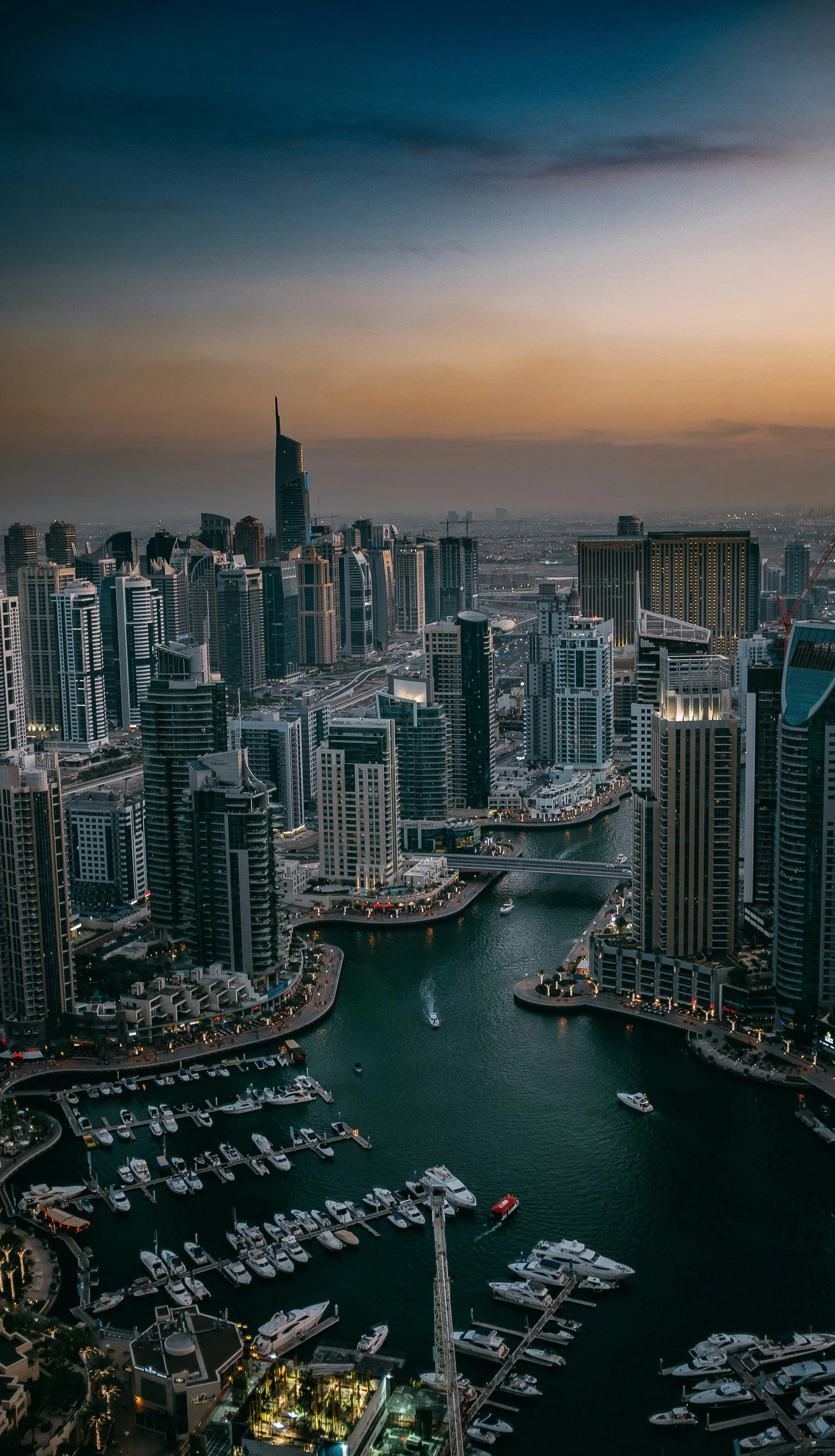
Families are a marker of a healthy city. The average tenure of an expatriate in Dubai is lengthening, and family growth is outpacing population growth. These two trends are linked, and together they suggest the city is evolving from a place to make money into a place to stay. Most analysis of Dubai's growth focuses on how many people are arriving. We are more interested in why fewer are leaving. This year's Think Piece examines the demographic shift toward long-term families putting down roots, and why this matters more than headline population growth. Many Dubai companies, including utilities, banks, telecoms and property developers, benefit from population growth. The quality of that growth matters as much as the quantity. A city of long-term residents is a different proposition from one with high turnover, and we do not think the market has priced the distinction.
For more information, please contact us at: info@introspectcapital.com
Third Quarter | 2025
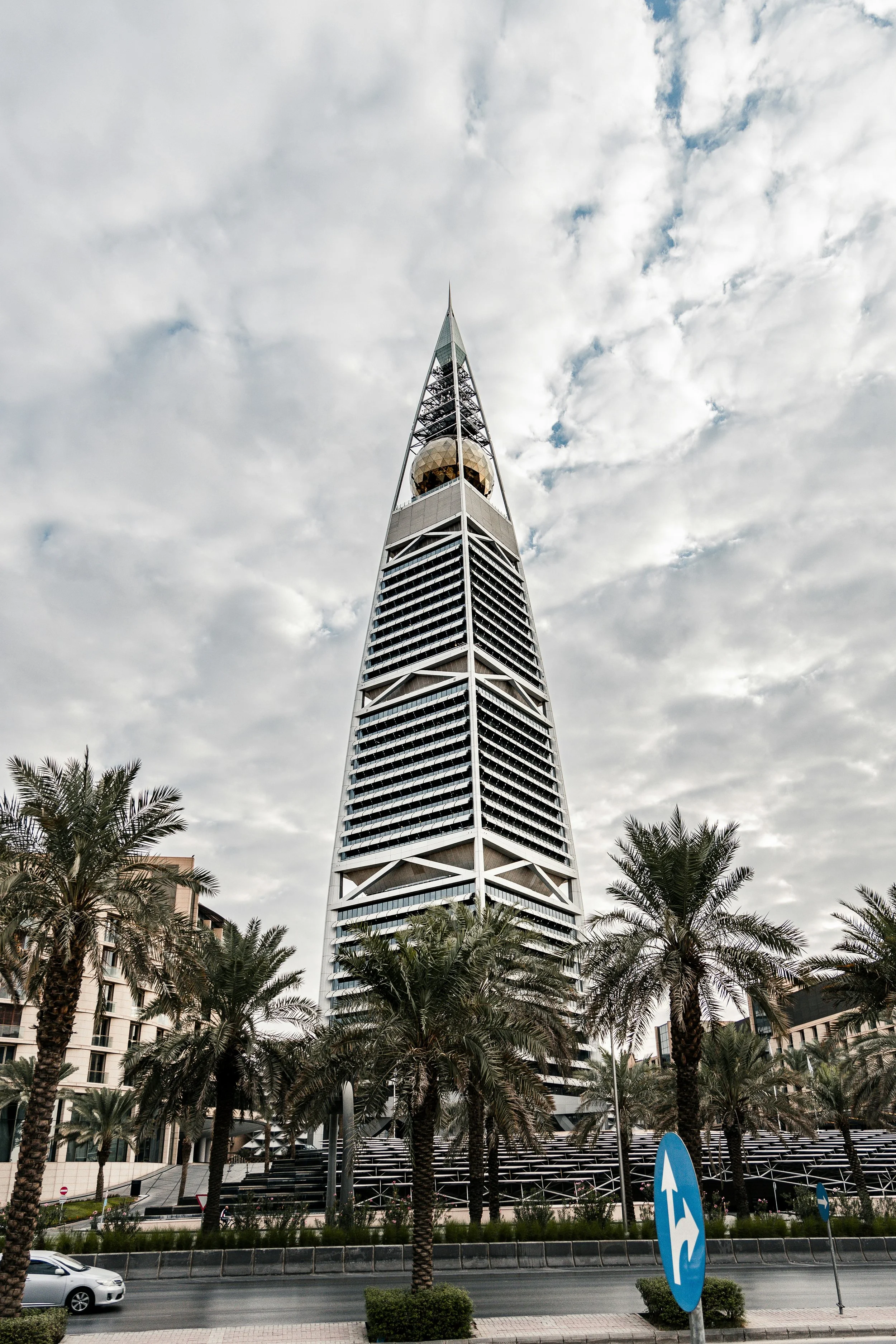
For years we have argued that Saudi Arabia would eventually ease its foreign ownership limits on listed equities. That moment now appears close, and the market has rallied on the expectation. We welcome the change as a meaningful step in the continued deepening of Saudi capital markets, and we expect it to draw further foreign capital into the market over time. The shape of those inflows, though, is more likely to be gradual than sudden. Even if foreign ownership limits are fully lifted, Saudi's weight in the MSCI EM Index would return to roughly where it sat between 2022 and 2024, and active foreign investors have been steadily closing their underweights for years. Much of the inflow associated with this development has already been happening, just quietly. One large Saudi bank is positioned to benefit disproportionately, and across the wider market we continue to find value. We remain optimistic on Saudi and on the region's longer-term potential.
For more information, please contact us at: info@introspectcapital.com
Second Quarter | 2025
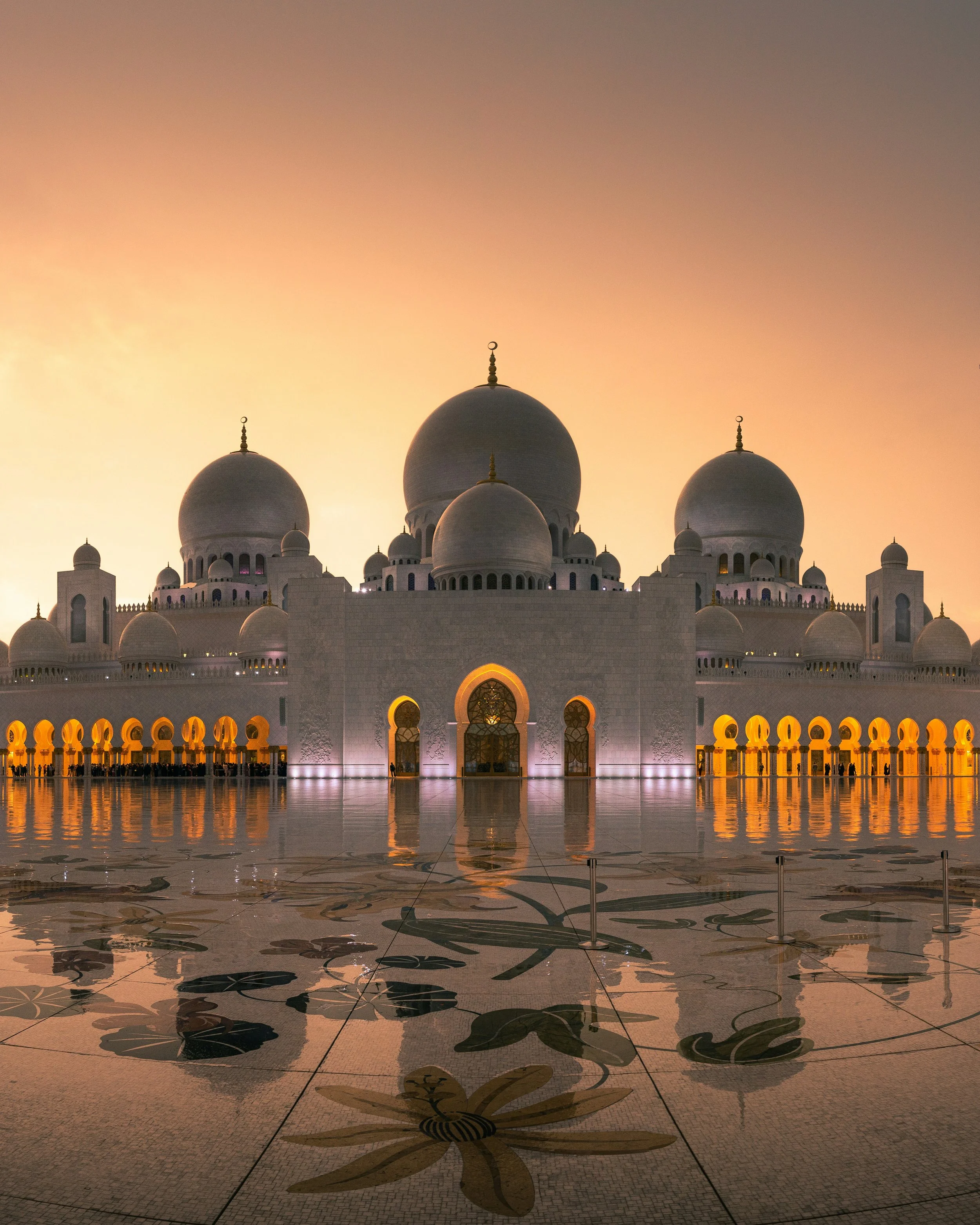
Occasionally an announcement is large enough that you read it twice to make sure you have understood it. The AI acceleration partnership signed by the UAE and the US in May is one of those. At its centre is a 5GW AI data centre campus in Abu Dhabi, projected to be the largest such facility outside the US. We believe this may turn out to be one of the most consequential agreements the UAE has signed. This Think Piece sets out why. The agreement strengthens the UAE's strategic alignment with the US and drives investment, labour and productivity. This supports equity valuations through deepening capital markets and stronger growth across financial services, real estate, and technology-adjacent sectors. The future of AI remains genuinely uncertain. But the UAE is positioning itself for a world in which AI matters enormously, and many of our holdings are positioned to benefit.
For more information, please contact us at: info@introspectcapital.com
First Quarter | 2025
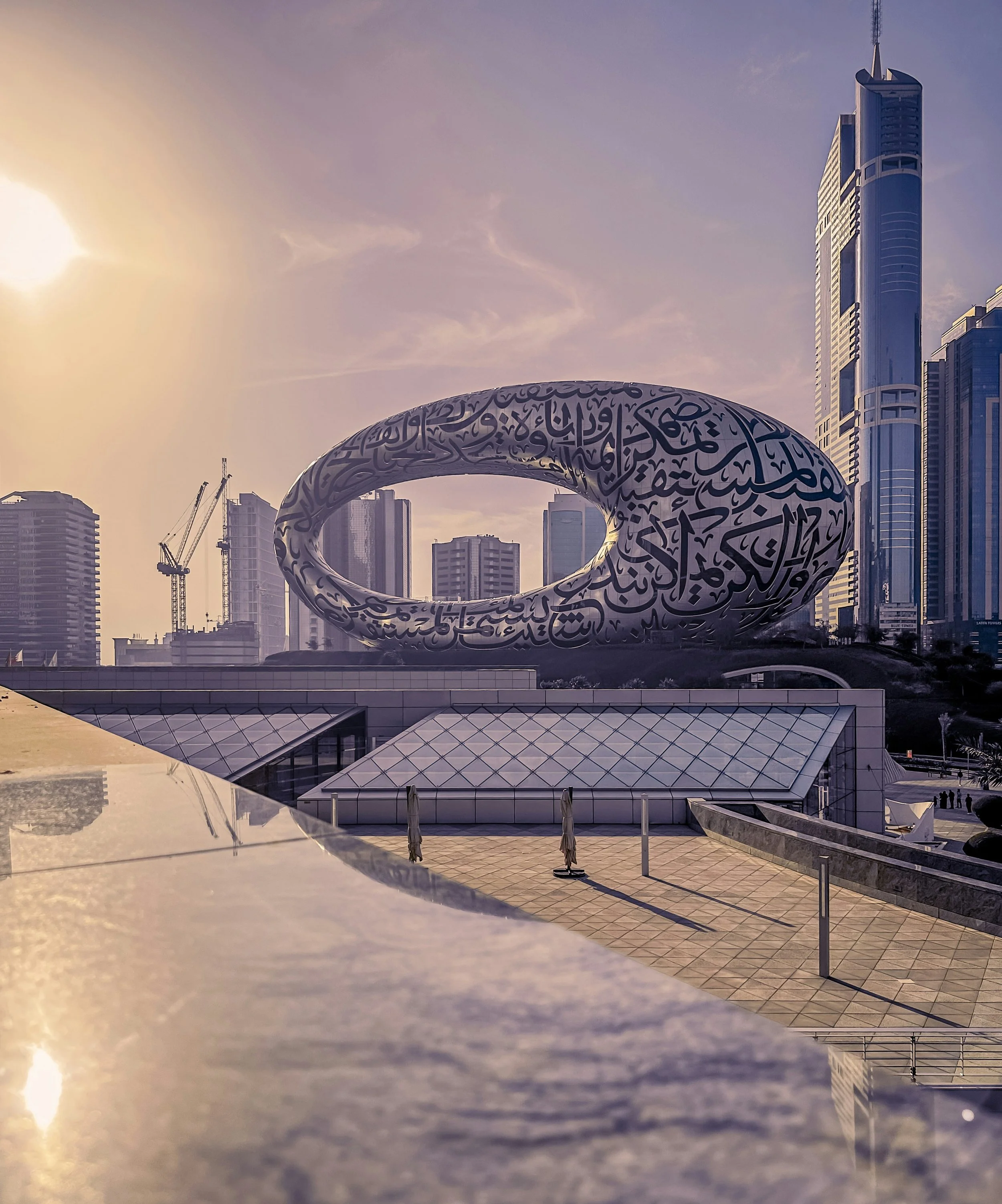
The future grows seemingly less predictable by the day, and AI is accelerating the trend. As fundamental investors, we usually derive most of a company's intrinsic value from cash flows generated beyond the first five years. The trouble is that those cash flows are getting harder to forecast, even as Gulf companies disclose more than ever. Banks are a useful illustration. Even banks that successfully deploy AI internally might face external pressure on funding costs, fee income and customer retention, and a shift down in their terminal multiples is not difficult to imagine using reasonable assumptions. We are not predicting that this will happen. But forecasting beyond five years genuinely feels harder than it used to be. The right response, we think, is to increasingly prioritise companies with durable competitive advantages, even if they do not appear obviously cheap relative to other, more AI-exposed companies.
For more information, please contact us at: info@introspectcapital.com

Fourth Quarter | 2024
For profitable companies, most of their value usually comes from beyond the fifth year. Much of what investors react to day to day barely touches that value. This year's Think Piece returns to the fundamentals of valuation: future cash flows discounted at a cost of capital. For Gulf companies, the dollar peg closely ties the cost of capital to the US 10-year Treasury yield, which aggregates more information about inflation, growth and risk than any investor could gather from daily news. The harder part is the cash flows. Corporate lifespans are shortening and technology is reshaping industries faster than forecasts can keep up. We believe companies that can adapt warrant a lower equity risk premium than those that cannot, and we expect Gulf valuations to diverge accordingly: resilient companies trading at elevated multiples, and apparent bargains that turn out to be value traps. Telling the two apart is where our time is best spent.
For more information, please contact us at: info@introspectcapital.com

Third Quarter | 2024
Foreigners make up over 90% of Dubai's population, and have for many years. The scale of that demographic transformation, absorbed with little local pushback, sets Dubai apart at a time when immigration divides politics across much of the wealthy world. This Think Piece sets out four ways immigration drives Dubai's economy: immigrants attract investment from their home countries, larger communities become more productive, diversity increases economic complexity, and the mix of cultures makes the city a more interesting place to live. We close with a case study drawn from personal experience: the growth of ice hockey in Dubai, from informal scrimmages in the early 1990s to international tournaments and a first purpose-built rink due to open. Dubai's ambition to reach 5.8 million people by 2040 depends on immigration. We believe the city's openness is one of its strongest competitive advantages, and one other cities cannot easily copy.
For more information, please contact us at: info@introspectcapital.com

Second Quarter | 2024
Qatar is on the verge of generating immense new wealth. Its third North Field expansion might lift LNG production from 77 to 142 million tonnes per annum by 2030, an increase of close to 85%, and real GDP could grow by half. The question for Qatar is what to do with this wealth: how much should be invested at home versus abroad? Many think Qatar should diversify into a broader domestic economy, on the model of the UAE or Saudi. Qatar's circumstances, however, are genuinely different. Its infrastructure is already high quality and underutilised, and the obvious sectors that could absorb capital domestically are either capacity-constrained or unlikely to generate competitive returns. The decision is also not purely economic. Qatar's leaders are likely weighing national identity, the cultural impact of further expatriate growth, and meaningful employment for young Qataris in a country where a significant majority of the local labour force already works in the public sector. Our view is that Qatar will continue to deploy most of its capital internationally, with domestic allocation largely focused on supporting Qatari employment. These are good problems to have.
For more information, please contact us at: info@introspectcapital.com

First Quarter | 2024
Across much of the world, populations are shrinking. A study in The Lancet projects that 23 countries, including Japan, South Korea, and Spain, will see their populations halve by 2100. We give little weight to the precision of forecasts like these, but the trend is unambiguous. Even Finland and Sweden, which offer some of the world's most generous parental support, recorded all-time low fertility rates in 2023. Lifting birth rates through policy is hard, and increasing immigration is politically unpopular, so most countries choose flat or declining populations instead. Dubai is the exception. With less than 10% of its population made up of UAE nationals, Dubai's reliance on expatriates is unique among major global cities, and its 2040 Urban Master Plan targets growth from 3.3 million to 5.8 million, a 2.9% annual rate in a world where most countries are struggling to maintain their population size. Because Dubai depends on net migration rather than fertility, small shifts in migration matter. India and China have a combined population of 2.8 billion people; even modest changes in migration from either country would have an outsized effect on a city of 4 million. If Dubai's population growth exceeds government forecasts, many listed UAE companies stand to benefit, something we monitor closely.
For more information, please contact us at: info@introspectcapital.com